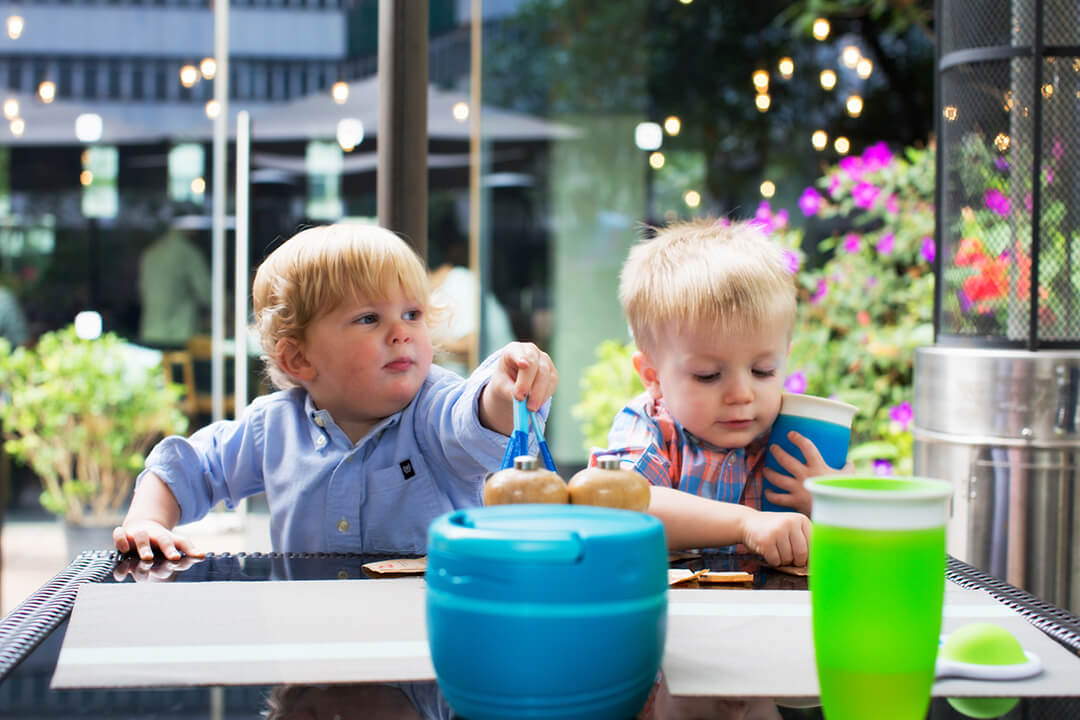
As the calendar turns to a new year, we have an opportunity to reflect on our roles as parents and set goals for the coming months. New Year’s resolutions can be a good start for our personal development and improvement, allowing us to focus on what is truly important for ourselves and our families. After some research and self-reflection, I found a few recurring goals/resolutions many parents are setting for themselves this year that can inspire us to create a more nurturing and harmonious environment at home. Let’s take a look at them together.
A Balancing Act
Strike the right balance between guidance and control, and let our kids progress at their own pace, one baby step at a time. This podcast gives great insight into what could be going on inside their little minds, why they respond, or not respond, to our advice in certain ways, and the importance of our trust in their judgment during various stages in their development. I think parenting is a challenging journey that must be approached with patience and understanding. With that, you will be able to respond calmly in difficult situations, fostering a more positive and supportive environment for our children to thrive with confidence.
Limit Screen Time
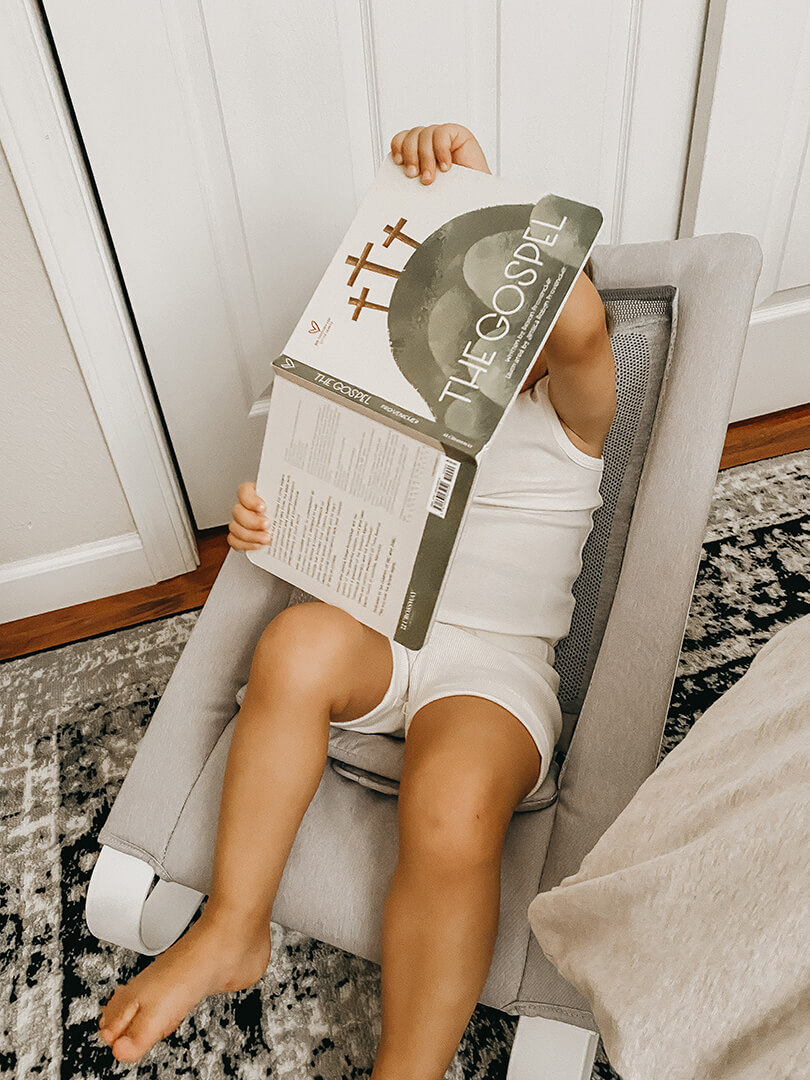
In today’s digital era, striking a balance between technology and other activities is critical. Although it is by now impossible to completely avoid screen time for our young children, we need to accept the fact that this generation of children is growing up with them as an integral part of their daily lives. However, there is research suggesting that when young children are leisure-reading from digital devices when they are still developing their reading skills, their comprehension level might not be as high as learning to read from printed materials. I guess the takeaway from this is that moderation is key when it comes to using electronic devices.
Photo: @vickieliliyan
Buy Fewer Toys
We are all doing our best to reduce waste and be more environmentally responsible in our daily lives, I think we need to make more effort and extend this practice to the consumption of toys. The internet and online shopping opened up so many more possibilities for us to buy toys and gadgets for the kids. So many of these are impulse purchases that we think would be “cute” or “fun” for our kids to have, but they can have a much bigger consequence for the environment when our children lose interest in them or outgrow them after a short time.
Prioritize Self-care
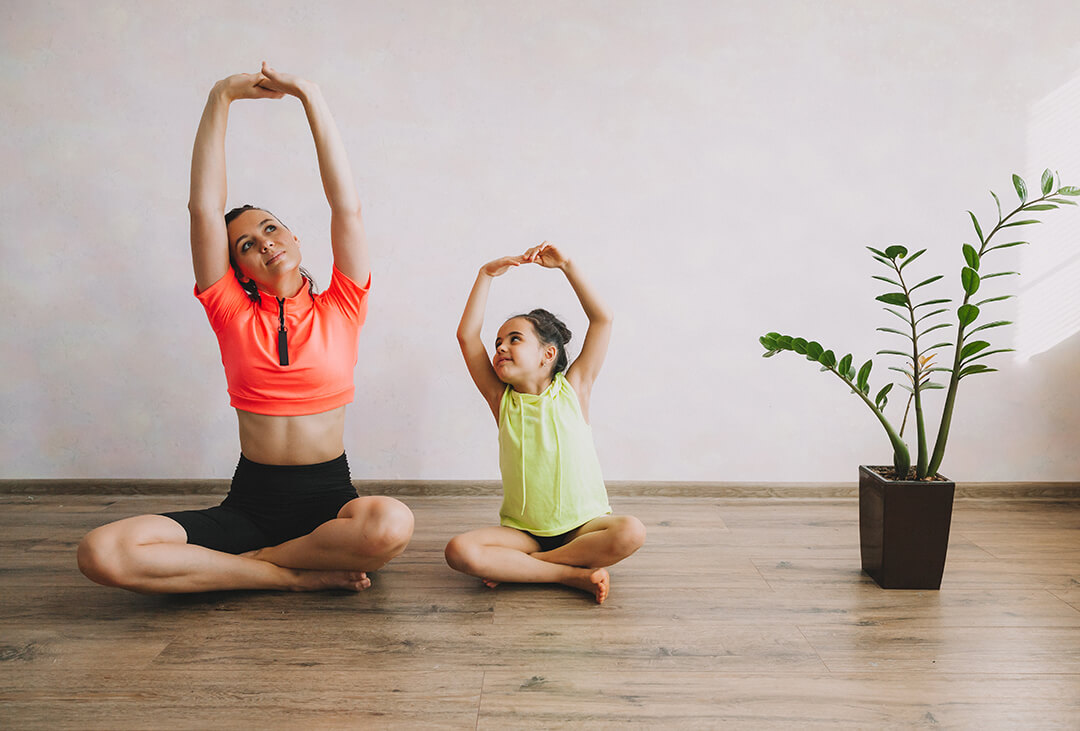
As parents, it’s natural to put our children’s needs ahead of our own. Neglecting self-care, on the other hand, can lead to burnout and as a result, impair our ability to be the best parents possible. Getting enough shut-eye and having regular workouts are just some of the more obvious things we can do to keep ourselves fit mentally and physically. By focusing on our health, we can be in a better condition to take care of our kids.
Photo: @mrpaulfeinstein
Jumpstart Your Social Life
I don’t mean playdates for your kids! But make time to meet up with your friends and connect with them socially again! Having kids doesn’t mean the death of friendships with your buddies in your pre-kids days. Spending quality time with your own friends as a couple with your partner, or a girls’ night out could do wonders to your morale and mental well-being. Everyone needs this social network of support to briefly take our minds off the daily stress of taking care of our families.
Adopting New Year’s resolutions as parents can be a wonderful strategy to improve your parenting journey. Remember that resolutions are personal, so pick the ones that speak to you and tailor them to your situation. Accept this new beginning and embark on a year of growth, love, and connection with your children.
Stay Sparky in 2024!
Your content
War and Peace
As parents, we want our children to grow up in a perfectly nurtured and positive environment, but at the same time, we must instill in them a broad understanding of the world. Thanksgiving is an excellent time to discuss the historical context of war, but it is also critical to address the ongoing realities of modern conflicts. We can help our children develop empathy, critical thinking skills, and a deeper appreciation for the peace we have by having conversations about the impact of war today. Although it is never easy to talk to children about war, it would be better for parents to help the little ones become aware of this subject with the correct guidance and attitude, rather than them coming across it from social media or overheard conversations among adults without the proper context. Let’s look at how to talk to our kids about modern war in relation to Thanksgiving while maintaining sensitivity and cultivating their understanding.
Use an age-appropriate approach
We should always consider the age and maturity levels of children before discussing modern war. Younger children may have difficulty grasping complex concepts, whereas older children can participate in more nuanced discussions. It is best to adapt our approach to their developmental stage, using books, language, and examples that are appropriate and relatable to them. We should be prepared to respond to their questions honestly and sensitively and don’t worry if you don’t seem to find the appropriate answer to their questions or concerns. What is important is that you are there to listen to what they have to say and to acknowledge their feelings.
Understanding the consequences of war
It would be more effective to start by asking your kids what they know about war and its consequences. This can help you to assess their current knowledge and correct any misconceptions they may have since there is so much false information and misleading reporting on social media nowadays. It is so important to discuss war because it is such a complex and difficult topic for the kids to grasp by themselves. The focus should be on the humanitarian aspect of modern war and its impact on people’s lives. Sharing stories about people and organizations that help and support those affected by conflict can give a more positive approach to the topic. Discuss the difficulties that refugees face, as well as the importance of compassion and empathy in times of crisis. Children can better understand the consequences of war and the importance of working toward peace by emphasizing the human element.
Working towards a better world
Thanksgiving is a great time to talk about how we can make the world a better place. We should encourage our children to consider small acts of kindness that they can carry out to make a difference in the lives of others affected by war. Discuss the significance of being grateful for the peace and stability we have and how we can express our gratitude by supporting organizations that help those affected by conflicts. We can help them develop empathy and a sense of responsibility for a more peaceful future by offering open conversations, emphasizing humanitarian aspects, encouraging critical thinking, and promoting acts of kindness and gratitude.
Happy Thanksgiving and Stay Sparky!
Do you know that…
Halloween, the bewitching holiday filled with costumes, candy, and all things spooky, has captivated people for centuries. While many of us are familiar with the typical modern Halloween traditions, there are many different interpretations on the origin of them that add an extra layer of intrigue to this haunted holiday. Join us as we look into a few of these aspects of Halloween that make a great conversation topic with our kids while we dress them up in their cute costumes!
Halloween, the OG
The origin of Halloween dates back to ancient Celtic folklore from Ireland and Scotland. The festival called Samhain, marks the day when the separation between the living and the dead is the thinnest. This is a time to honor their dead and to celebrate harvest. As Christianity spread across Europe in later years, it incorporated existing pagan festivals into its own calendar. October 31st became the eve of Catholic’s All Hallow’s Day, eventually evolving into Halloween.
What to wear?
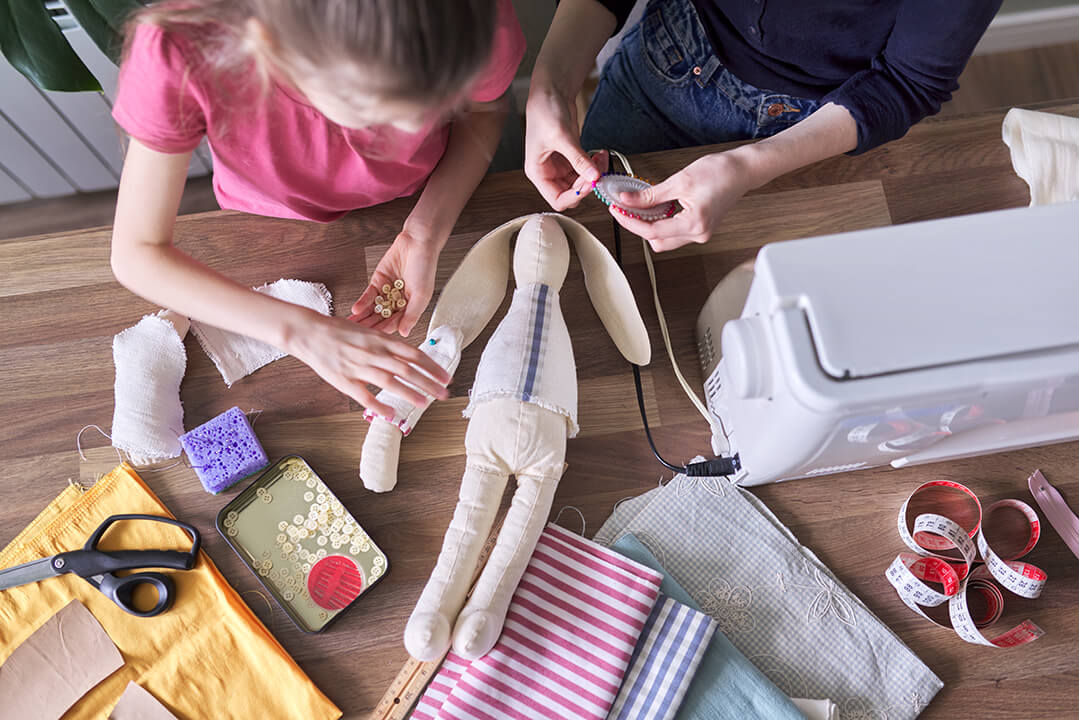
One of the most beloved traditions of Halloween is dressing up in costumes. There are a few theories on where this tradition came from and one of them has its roots in ancient beliefs. During Samhain, the Celtic festival that preceded Halloween, people would wear costumes and masks to ward off evil spirits. They believed that by disguising themselves, they could blend in with the supernatural entities that roamed the earth on that night. Nowadays, the sky’s the limit when it comes to Halloween costume ideas! I always have so much fun making costumes for my kids when they were babies, nothing beats a cute DYI outfit made lovingly by mommy! Here are some cute ideas for 2023’s Halloween.
Let Jack-o’-Lanterns lead the way
The tradition of carving pumpkins into jack-o’-lanterns has become synonymous with Halloween, but its origins can be traced back to an Irish folktale. According to the legend, a man named Jack, known for his trickery, was denied entry to both heaven and hell. As a result, he was doomed to wander the earth with only a lump of burning coal in a carved-out turnip to light his way. When Irish immigrants brought the tradition to America, pumpkins, readily available and easier to carve, replaced turnips.
Halloween and Sleepy Hollow
One might think of a place called Sleepy Hollow when Halloween is near, however, but it has nothing to do with the origin of the festival! This link was attributed to Washington Irving’s captivating story, “The Legend of Sleepy Hollow,” which features elements of the supernatural, a headless horseman, and an eerie setting. These themes align perfectly with the spooky atmosphere and traditions commonly associated with Halloween, thus making the tale an enduring part of the holiday’s lore. Snuggle up with your kids on the couch and watch this captivating shadow puppet short film on this legend to fully immerse yourselves in the spooky atmosphere!
Halloween Around the World
While Halloween is widely celebrated in North America, the celebration and commemoration of the deceased happen all over the world at different times of the year. In Mexico, the Day of the Dead (Día de los Muertos) honors deceased loved ones with vibrant parades and elaborate altars. In Ireland, the birthplace of Halloween, the holiday is celebrated with bonfires, traditional games, and storytelling. In recent years, Halloween has also gained popularity in countries such as Japan, Australia, and the United Kingdom, with their own unique twists on the holiday. Halloween offers a fascinating tapestry of traditions and beliefs. As we indulge in the spooky festivities, let us appreciate the depth and diversity that make this haunting holiday truly unforgettable.
Stay Sparky and Spooky!
Stay healthy and keep moving
Now that Summer is over and the family routine goes back to normal, we might find ourselves easing back to our sedentary lifestyle in front of the computer for hours at a time. The kids are also sitting down for class and homework more. One of the important elements of staying healthy during the flu season is to get enough exercise regularly. Incorporating fitness activities into your family routine not only can promote a healthy lifestyle but can also strengthen the bond among family members.
Everyone has a say
Involve everyone in the family when deciding which activities to pursue, taking into consideration each person’s interests, abilities, and preferences. My husband and I picked up boxing six years ago and it has become our weekly workout ever since. The kids would love to learn too, but due to their school schedule, they were not able to join our workout sessions on weeknights. But we made it a point to have some family boxing sessions whenever possible on weekends and when they have their long school holidays. They really enjoy them, after all, who wouldn’t want the chance to “spar” with their parents and try to get a punch through every now and then? 😉 I think this helps to establish a more “balanced” relationship between us as a family and encourages the children to be more self-confident.
Set challenges and goals
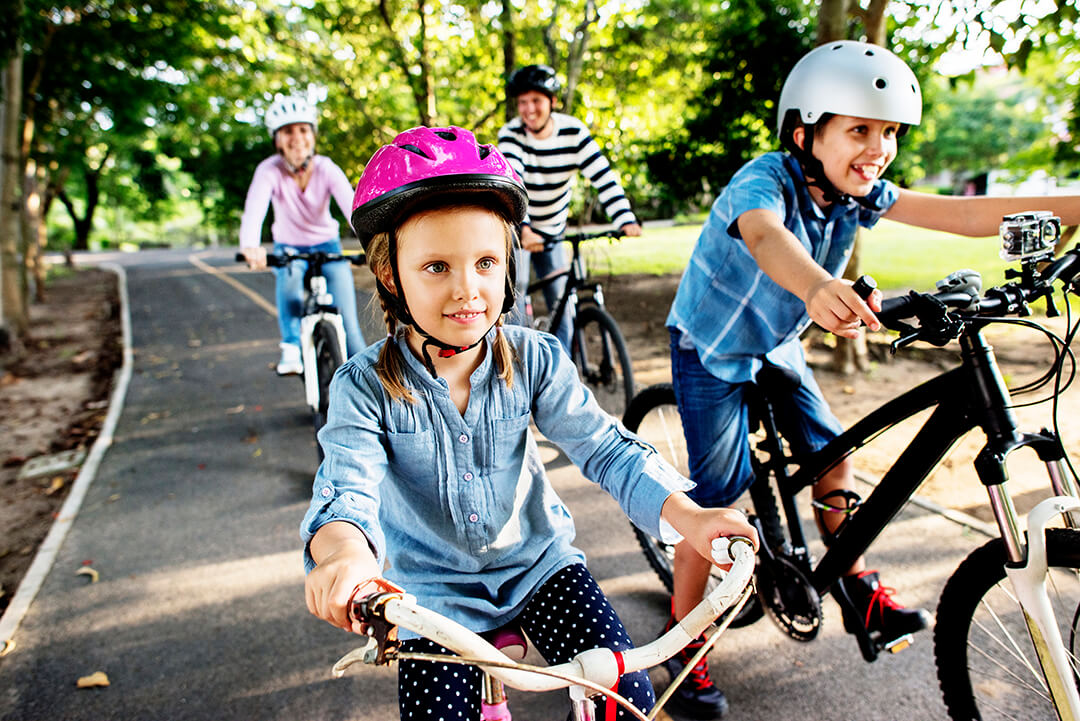
Incorporate friendly challenges or goals into your family fitness routine. It could be completing a certain number of steps, improving a specific skill, or achieving a collective fitness milestone. Creating a sense of achievement and progress encourages motivation and engagement for the entire family. If your family is new to regular physical activity, begin with simple and achievable activities. Start with short walks or bike rides and gradually increase the intensity and duration as fitness levels improve. In order to get our family to move more, we started to replace short-distance car commutes in the city by walking. We got some resistance from the kids in the beginning, but once we got used to the exercise, we managed to increase the distance a little bit at a time. We then moved on to hiking on the trails, bringing our dog along and making it a family day out. So, setting realistic goals ensures a positive experience for everyone involved definitely helps.
Active recreation
Let’s make our family recreation more active by choosing activities that involve movement. Instead of watching a movie at home, consider swimming, rollerblading, or trampolining as options to keep everyone engaged and physically active. These sports not only provide an excellent workout but also offer opportunities for bonding and building trust. Try to vary the activities to keep things exciting, they also target different muscle groups and promote overall fitness. Why not unleash your inner dancer and let the rhythm move your family? Turn up the music and have spontaneous dance parties in your living room. Alternatively, consider enrolling in dance classes that cater to all ages and skill levels. Whether it’s salsa, tap, hip-hop, or ballet, dancing not only improves cardiovascular health but also boosts coordination, flexibility, and self-expression. Plus, it’s a great way to let loose, laugh, and create lasting memories together.
Family fitness activities are a wonderful way to spend quality time together while prioritizing your health and well-being, but as parents, we should lead by example. We can demonstrate our commitment to fitness by actively participating in family activities and maintaining our own exercise routine. Hopefully, our enthusiasm and dedication will inspire and motivate the children to also prioritize their health and well-being. So, get creative, have fun, and embark on this fitness journey together, creating fond memories and fostering a healthy and active lifestyle for the whole family.
Stay Sparky!
Stay ahead of the game
As the summer draws to a close, it’s time to prepare our little ones for another exciting school year. The flu season is approaching, with many speculations of it coming earlier than usual, it’s best to take proactive steps to keep our toddlers healthy and minimize the risk of infections. Here are some simple suggestions to parents and caregivers to hopefully ensure a smooth transition into the school routine while safeguarding the children’s well-being.
Encourage Good Hygiene Practices
Teaching toddlers good hygiene habits is crucial in keeping them healthy. After a few years of COVID experience, frequent handwashing was a regular part of our routine. But with life getting back to normality as the pandemic left us, our guard could be down again on maintaining personal hygiene. Now is a good time to give the kiddies a refresher course on the basics! Show them how to cover their mouth and nose with a tissue or their elbow when coughing or sneezing. Reinforce the concept of not touching their face, especially their eyes, nose, and mouth, to minimize the risk of infection. Encourage them to use their own water bottle and avoid sharing personal items to reduce exposure to germs. Regularly sanitizing the children’s frequently used items can also minimize germs and bacteria around them.
Keep the vitamins coming
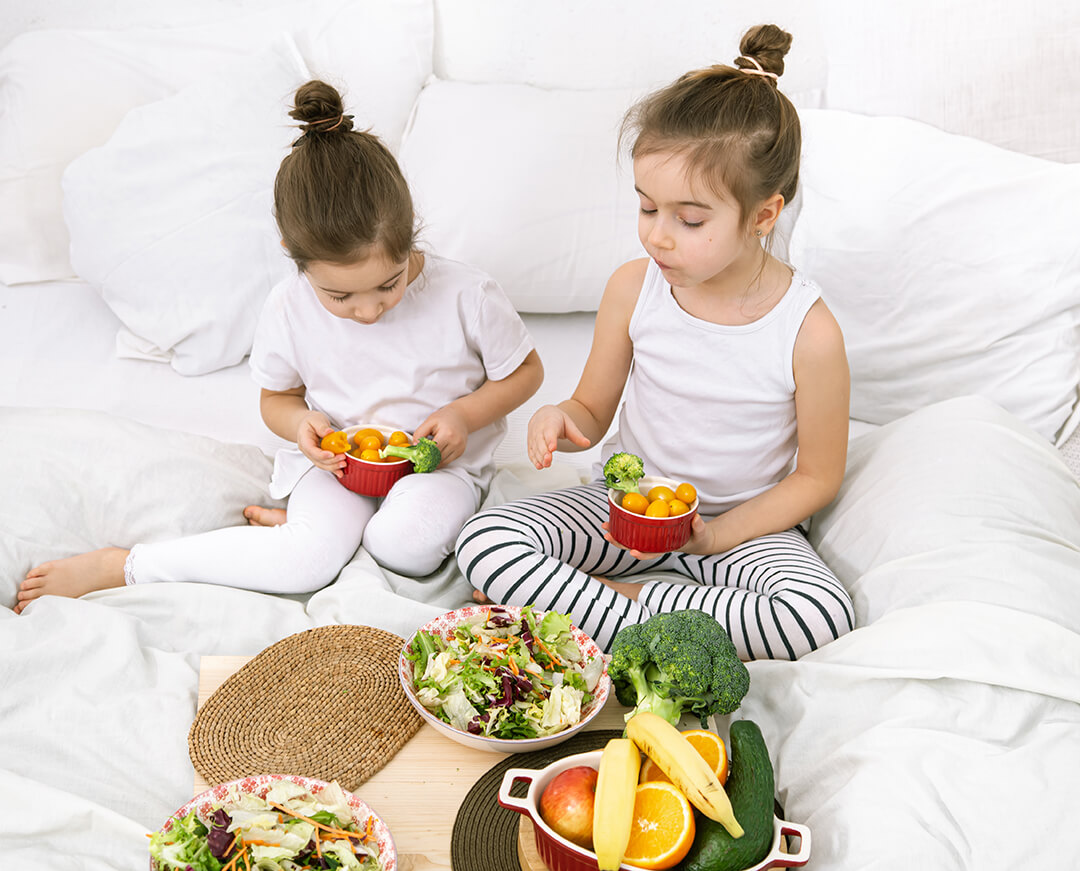
A healthy diet plays a significant role in strengthening the immune system. Let’s make sure the little ones eat a variety of fruits, vegetables, whole grains, and lean proteins so that they get enough essential vitamins and minerals that support their immune function. Healthy lunches and snacks can ensure they’re getting the right nutrients throughout the day, avoiding excessive sugar which can weaken the immune system. Get the kids involved in meal planning and preparation, so we can raise their awareness of healthy eating habits from a young age.
Get enough sleep
It is common knowledge that our bodies heal and revitalize during sleep which can help fight off infections, therefore, sufficient sleep is essential for our children’s overall health. It is important to establish a consistent bedtime routine that allows for the recommended 10-12 hours of sleep per night. Try to create a calm and soothing environment to promote quality sleep. and avoid screen time before bed as it can interfere with their sleep patterns.
Get them vaccinated
Check the vaccination record of your kids to ensure everything is up-to-date! The annual fluvaccine can be also a good way to minimize the chance of the little ones catching nasty cases of flu in the season. Then there are also the chicken pox (varicella) vaccinations that I personally think young school children would need because the chance of them being exposed to chicken pox at school or daycares is really high. Vaccinations are a critical preventive measure that protects against various illnesses and it is best to discuss this with your kids’ pediatrician to make the best decisions for them.
As we gear up for another school year, prioritizing the health of our little ones is of utmost importance. With good hygiene practices, a nutritious diet, adequate sleep, and staying on top of immunizations, we can help our kids stay healthy and resilient in the face of the upcoming flu season and school year.
Stay Sparky!
Challenges of a new Dad
Becoming a father is a significant life-changing event for men because it is a time of excitement, joy, and new responsibilities. However, it is not without its challenges when transitioning into fatherhood, and the new father’s psychological needs are often overlooked. So, this blog post is dedicated to all fathers who have braved this experience and new fathers that are currently taking on this challenge. You are not alone and we appreciate your effort!
The struggle is real
I think for new mothers since they have 9 months to prepare themselves mentally and physically for the arrival of their baby, it is more natural for them to bond with their newborns from the first day. Their mother instinct kicks in the moment their baby latches on to their breast. But for men, I can imagine that this new family dynamics could feel like a sudden one no matter how they would have imagined it during their partner’s pregnancy, and bonding with their newborn child does not seem as natural as they thought. In fact, it is quite common among new fathers to feel insecure and lonely during this period, so much so that there are many studies on the psychological well-being of men in the first few months of their role as fathers.
Don’t be shy to share
Many new dads may experience feelings of anxiety, stress, and depression when they first become a father. Apart from wanting to make sure the mother and baby are getting everything they need and worrying about the risk of postnatal depression for his partner, there is also the pressure of being a good father, provider, and role model for his child. They may feel like they have lost their identity or sense of self, which can lead to feelings of isolation and loneliness because it is common for men to internalize their fears and sense of insecurity. But Dads, this can increase your risk of suffering from male postpartum depression if you keep sweeping your feelings under the rug. It is incredibly helpful for new dads to come out of your shells and talk to other fathers who have experienced postpartum depression. It can help you feel less alone, provide a sense of community, and offer practical advice for coping with the condition.
Self-care is not only for moms
Taking care of yourself is essential when you’re dealing with the stress of fatherhood. This might mean taking a break from your daily routine to engage in activities that you enjoy, such as exercising, reading a book, or spending time with friends. Other calming activities can also help recharge your energy, this might include practicing relaxation techniques, like meditation or deep breathing, or stress-reducing activities, such as yoga or massage.
You are not alone
Your relationship with your partner might not be the same anymore now that you have your little bundle of joy because there is a shift in priorities and responsibilities. It’s important to communicate openly with your other half about each other’s feelings. Only an open communication can help you both to give each other the support you need and to function well as a family.
Becoming a father is a life-changing event that comes with its own set of challenges. However, with the right support and resources, you can overcome these challenges and thrive as a great dad and a loving partner. It is essential to seek out support from family, friends, and even professionals to help you navigate the challenges of fatherhood. You got this, Dad!
Happy Father’s Day and Stay Sparky!
Creating memories together
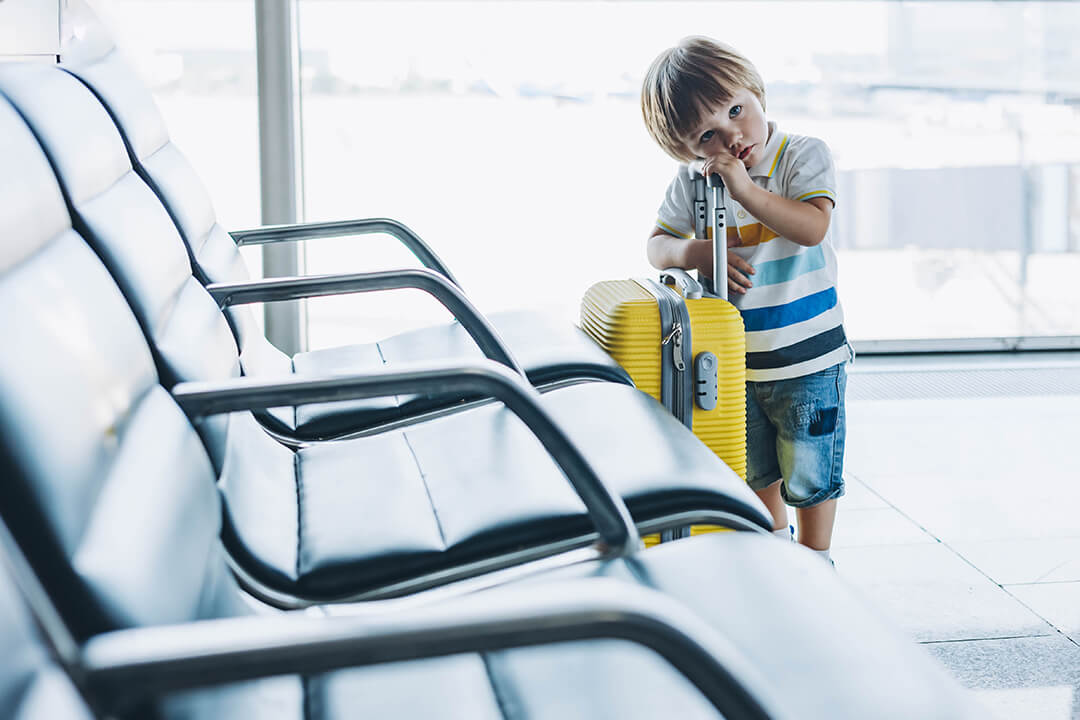
Summer is almost here and it’s time to think about what to do with the kids this Summer holiday. Remember the days of “carefree” holidays with just you and your partner? Now that you are a family with a couple of toddlers following your every step, the thought of traveling with them can be intimidating. Being parents of babies or toddlers doesn’t mean you need to be tied down by them and have to give up those travel adventures. While it may require more planning and preparation, you should bring the kiddies along and explore the world with them as early as possible!
Apart from the obvious benefits of exposing your children to new languages, cultures, and experiences that can broaden their horizons, you are also having quality family time away from the routines of everyday life. You can take a break from the mundane and daily stress of home life and just enjoy each other’s company and give the children your undivided attention without distractions. Additionally, this is the perfect occasion to encourage them to have an open mind on new foods and flavors they have not tried before, such as local specialties, street food, and exotic fruits.
For a successful family trip abroad, here are a few tips you can consider when planning your holiday adventures with the kids that can hopefully make your travels with young toddlers more enjoyable and stress-free.
Mastering your packing skills
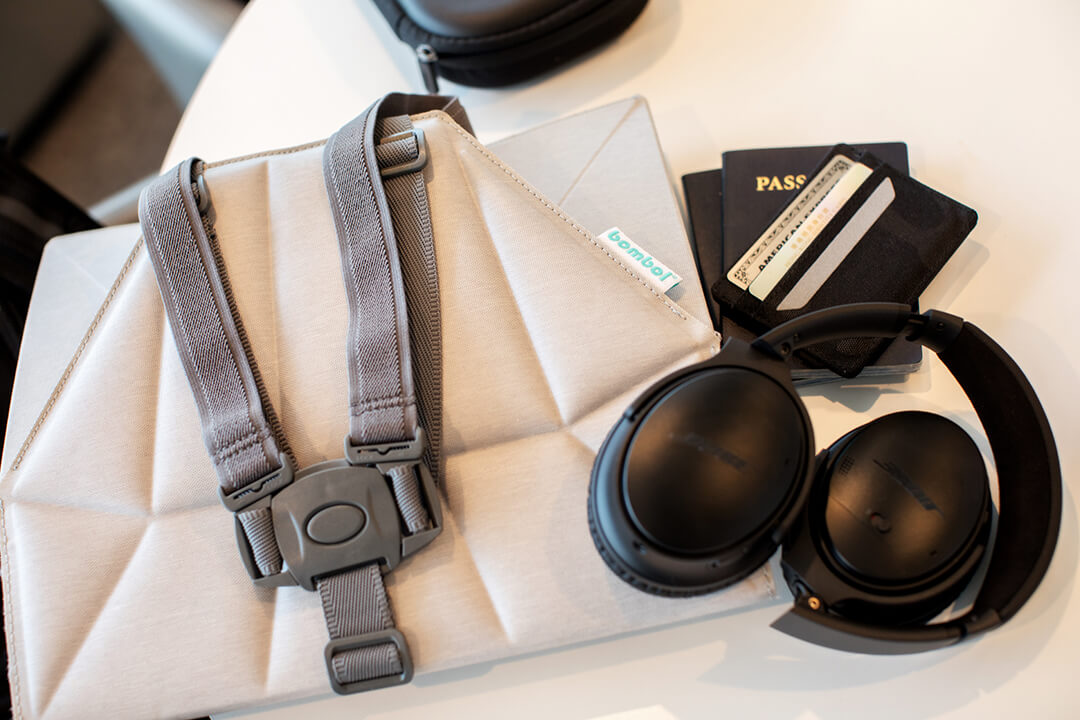
Based on your itinerary, the climate, location, and activities in your holiday destination, pack accordingly. Make a list of essential items, such as diapers, wipes, snacks, booster seat, and toys, and pack them in a carry-on bag. Book child-friendly accommodations, such as hotels or Airbnb rentals that provide cribs, and other amenities for young children. Bring along some new small toys (so the kids don’t get bored by them too soon), books, and games to keep your toddlers entertained during the trip. Pack some basic snacks that your kids like with enough to start off your trip for a couple of days, then you can find similar ones or other local treats to replace them as your holiday progresses. This can ease the children slowly from things they are familiar with to something new.
Routine vs Ad Hoc
I used to adhere to screen-time limits for our kids religiously when they were at home, but in those long-haulflights, I had to throw those limits out the plane window! As long as the kiddies got a few hours of shut-eye during the flight, they can enjoy their favorite cartoons or other programs they normally don’t get at home on the flight. One more thing to get them excited about flying! Trying to maintain your toddler’s routines as much as possible during the trip can help them adjust to the new environment. However, traveling requires a certain amount of flexibility from the family, be it nap time, snack choices, or sleeping arrangements. This is actually a life skill that the kids can learn at a young age because flexibility and adaptability are essential to their personal and professional growth. When you are stressed about not being able to stick to the routine, your children get stressed too! So, do be prepared to “go with the flow” when it comes to scheduling and menu options, after all, let yourselves relax a bit (with good judgment) on your holiday.
Keeping your cool
Consider booking direct flights or flights that are scheduled during your toddler’s nap time to minimize disruptions to their sleepschedule. But be prepared for unexpected delays or disruptions, such as flight cancellations or traffic jams. Bring extra clothing, diapers, and snacks, just in case. Be patient and understanding, and try to keep a positive attitude, even when things don’t go as planned. Hakuna Matata, all will be well!
Embrace the experience
Traveling with young toddlers can be challenging, but it can also be a wonderful and memorable experience. Embrace the opportunity to explore new places, learn new things, and create lasting memories with your family. Don’t be too ambitious, plan for regular breaks and playtime, which can help your toddler burn off energy and reduce restlessness. Take lots of photos and videos to document your travels, and involve your children in the experience as much as possible. Let them help plan activities or choose restaurants, which can help them feel more involved and engaged. You may be surprised at how much they can learn and grow from the holiday.
Stay Sparky and bon voyage!
Bring them along
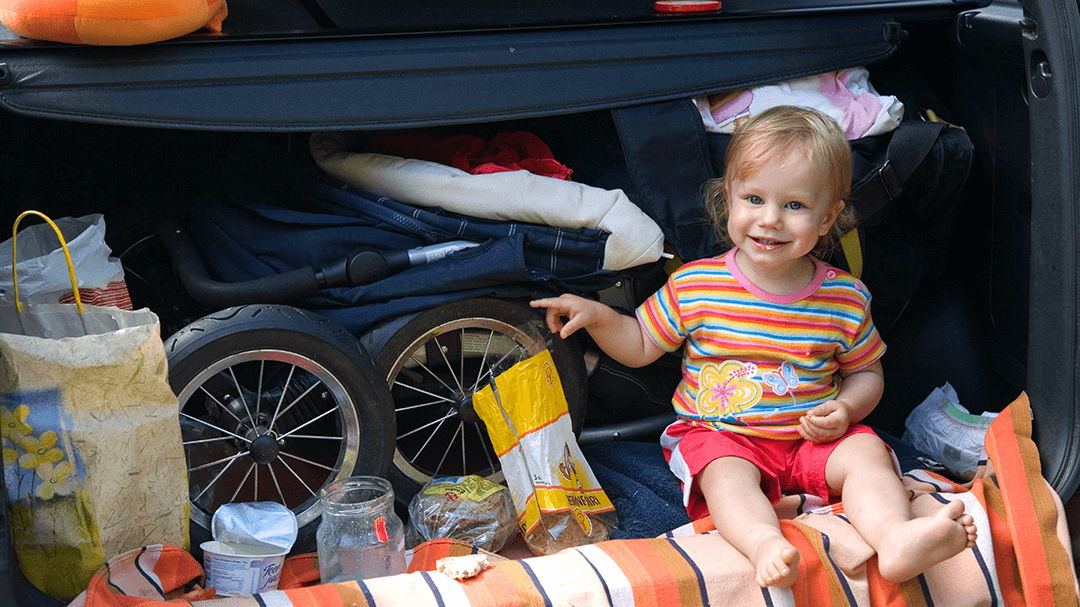
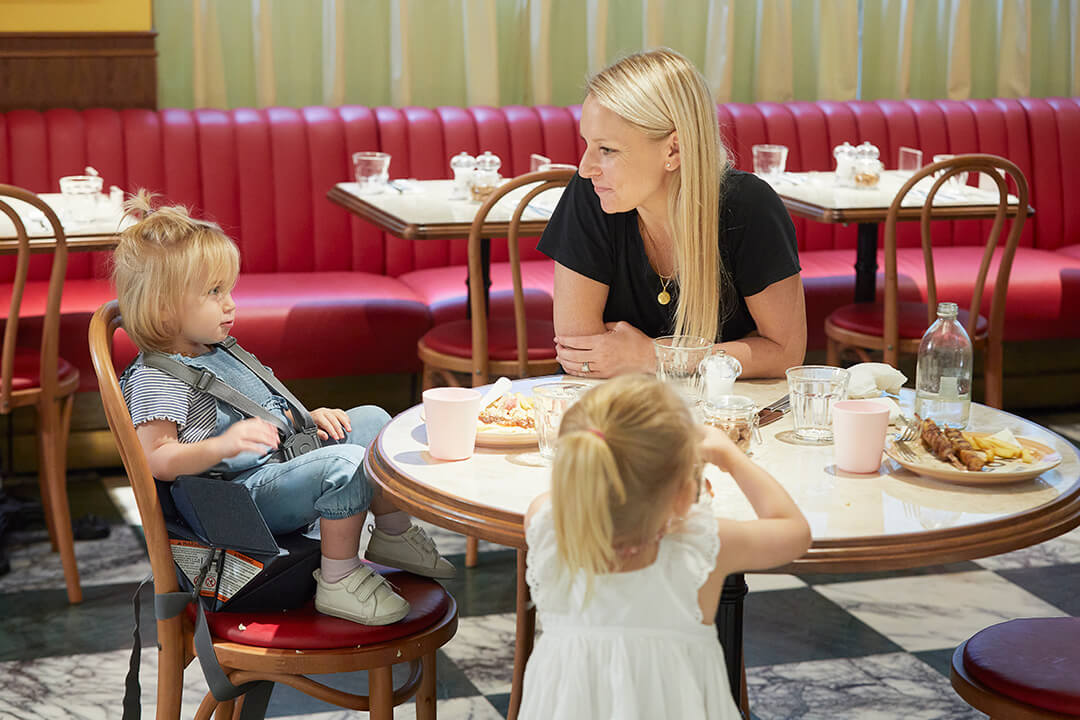
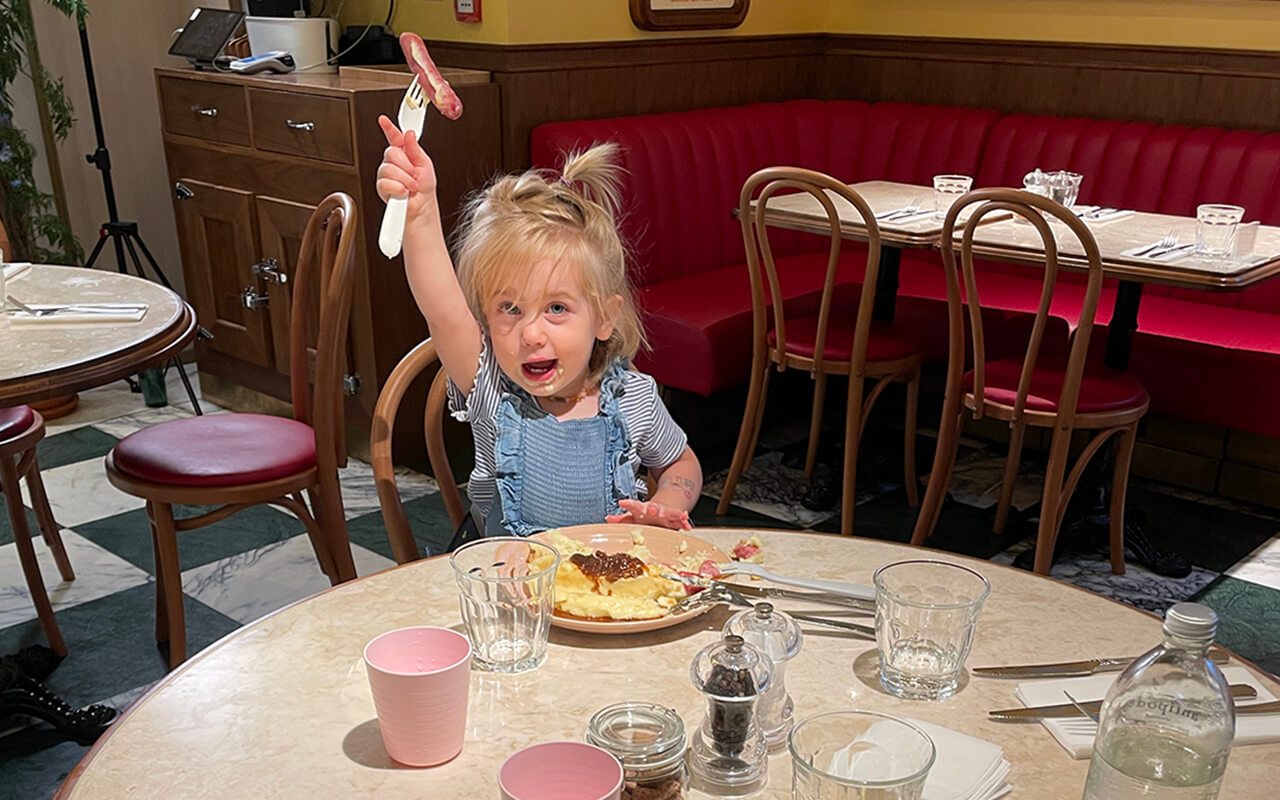
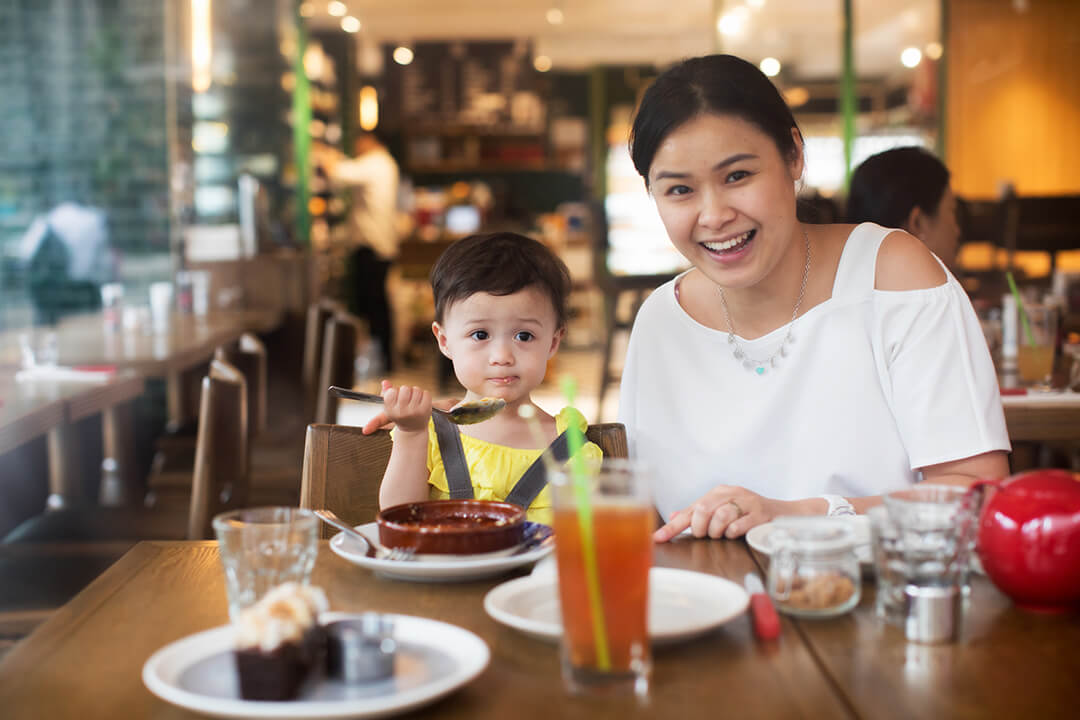
Eating out with toddlers can be a daunting experience for parents. From unpredictable tantrums to picky eating habits, there are numerous challenges to overcome. Despite that, we used to bring our babies along to all sorts of restaurants and eateries from very early on. For us, it was the best way to merge our social life with our family life when we hung out with friends and their babies at similar ages as our kids. It is also best to get the kids used to dining out with you from a young age before they become toddlers. However, I do remember the kind of preparation and planning that entailed when we brought our little ones out for meals. After a few practices, with a little bit of planning and some handy tips, you can turn your dining experience into an enjoyable and stress-free outing. Let’s look at some of the most common challenges parents face when eating out with toddlers and the kind of practical solutions we can use to ensure a pleasant mealtime for everyone.
Location, Location, Location!
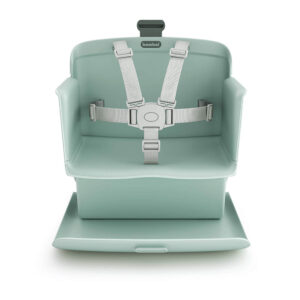
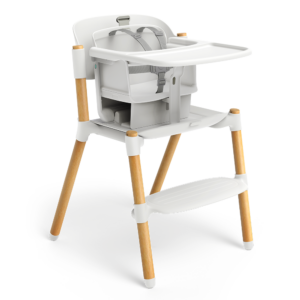
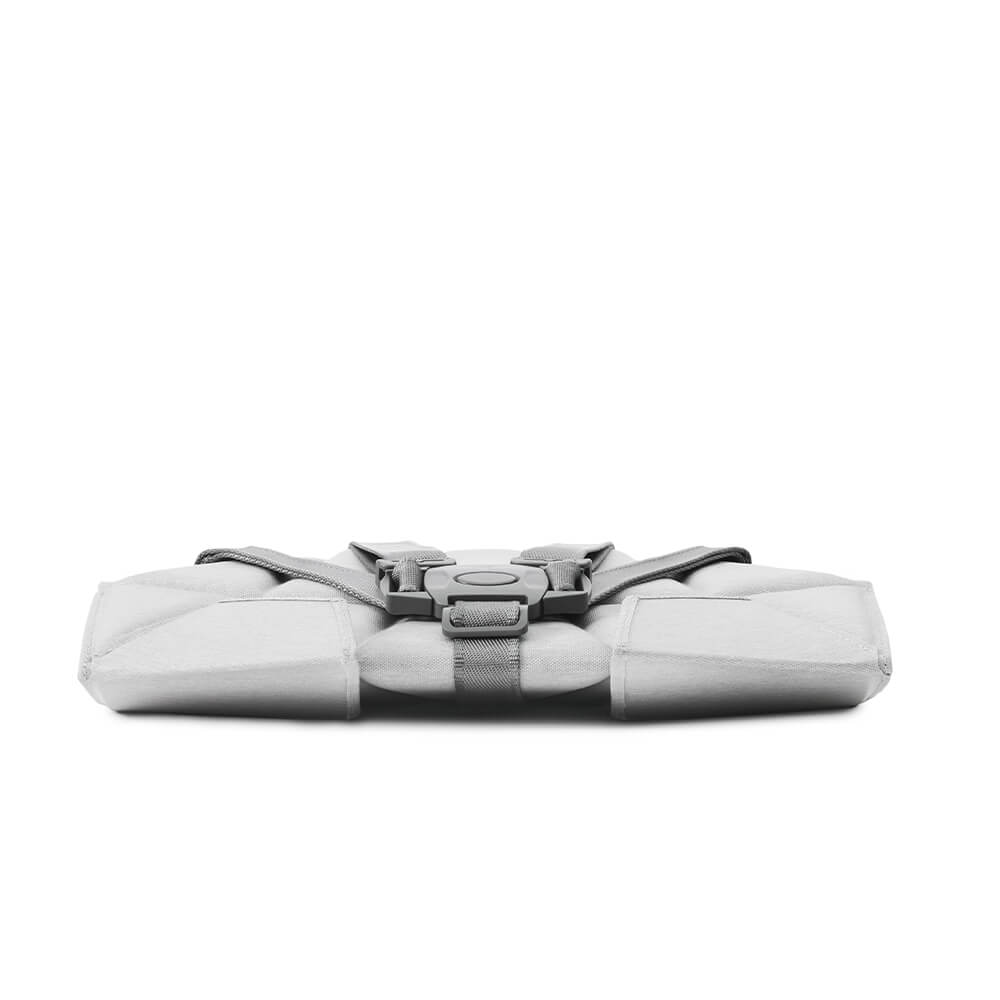
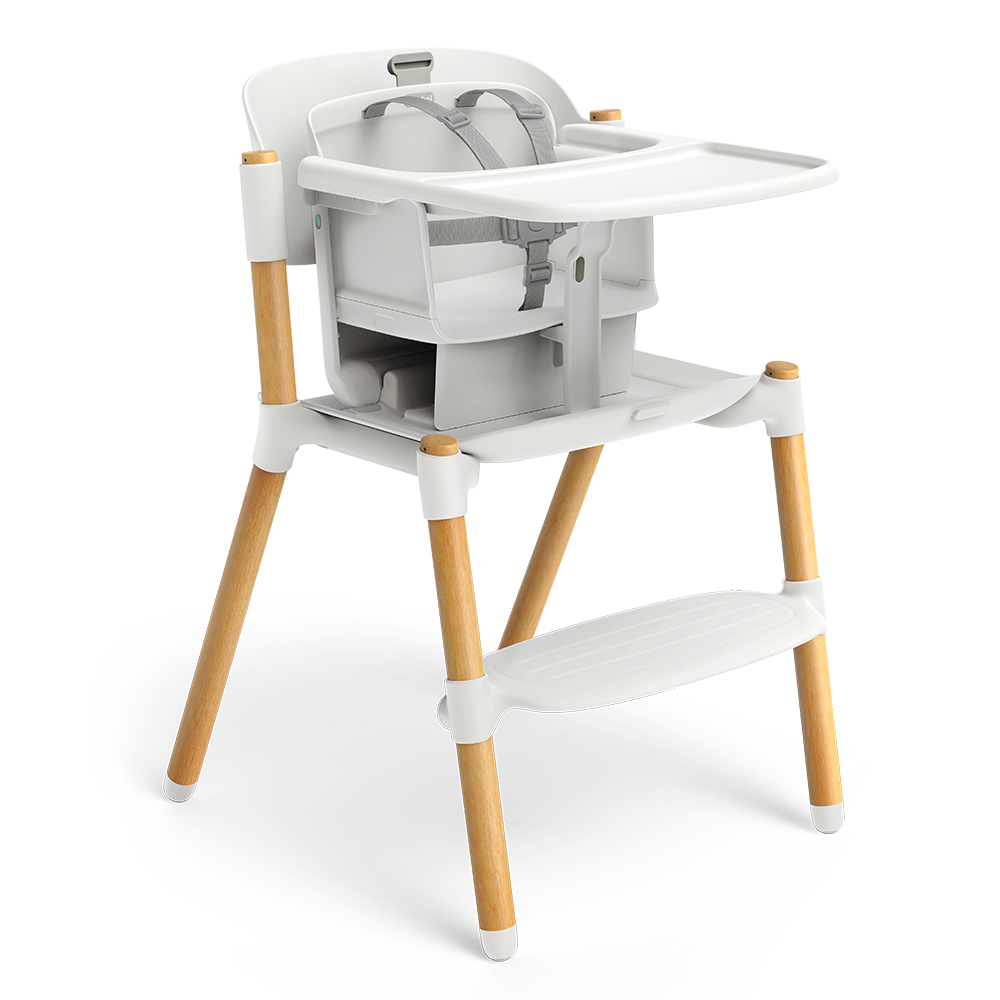
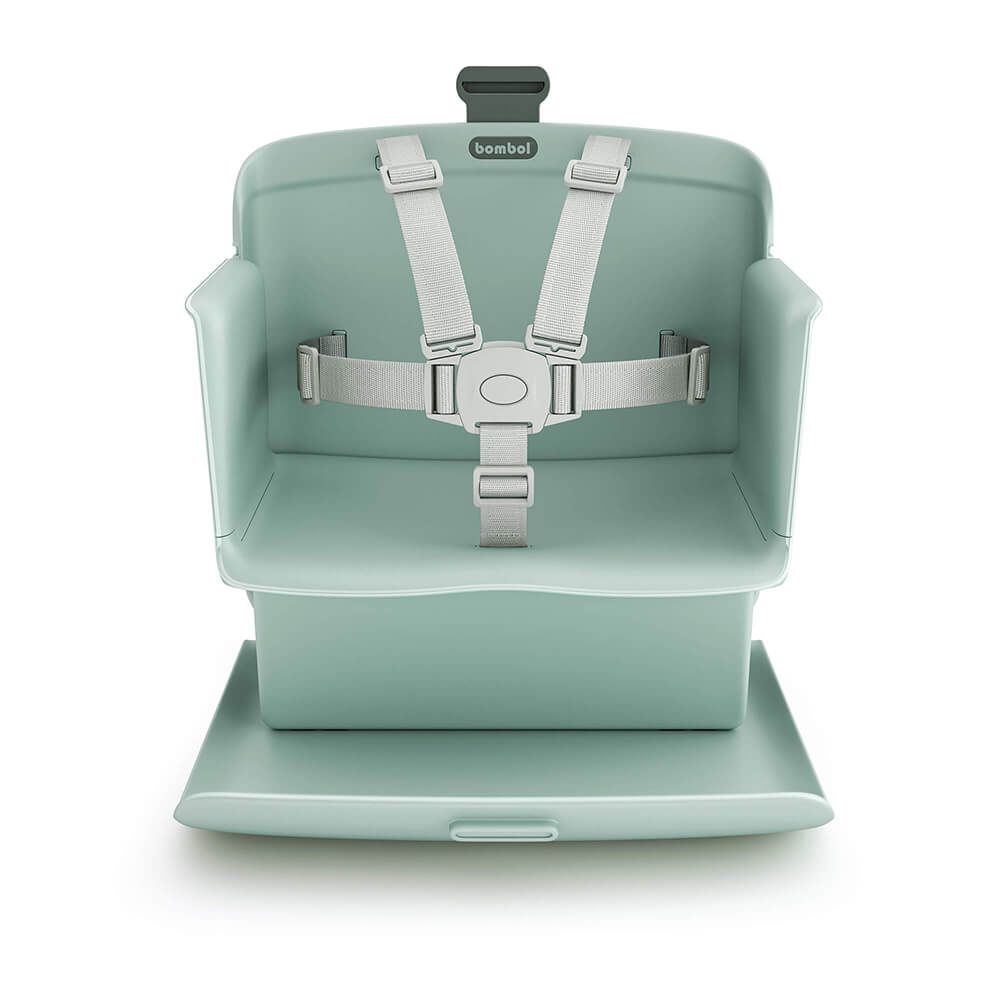
One of the first challenges parents encounter when eating out with toddlers is finding a suitable restaurant. Not all eateries can accommodate the needs of young children, making it essential to choose a location that is both kid-friendly and enjoyable for adults. I think it is important to understand if the restaurant has a basic setup for kids, namely highchairs. It doesn’t need to be a deal breaker if the restaurant doesn’t have them, but you just need to know ahead of time to go prepared by bringing your own booster seat.
What’s on the menu?
Toddlers can be notoriously picky eaters, which can make ordering meals a challenge. Additionally, some restaurants may not offer a variety of healthy and appealing options for young children. It is therefore best to look up the restaurant’s menu ahead of time and see if you can find something that your child might like. If not, try to ask if the restaurants can make small modifications to the dishes, they usually are more than happy to make an effort to please their littlest guests! As backup, bring along some healthy snacks, like vegetable sticks or small crackers just in case.
Timing is everything
Babies and toddlers have short attention spans and may become restless if they have to wait too long for their meals and potentially disrupting the overall dining experience for everyone. Try to select restaurants that are more efficient or avoid peak dining hours so that you can get served faster. When our daughter was around 1 year old, we would occupy her time by putting small breadcrumbs from the breadbasket of the restaurant in front of her. She would use her tiny fingers to try to pick up the crumbs one at a time and eat them! That could get her occupied for almost the entire meal, and great to train her motor skills too!
Make them feel at home
Public tantrums and outbursts can be a major concern for parents dining out with toddlers. Young children may become overwhelmed in unfamiliar environments, leading to unpredictable behavior. Having something familiar with them can help them feel more at ease, for example, their own portable booster seat or their own set of dining utensils tend to help. Getting them entertained is also an important way to help them pass the time in the restaurant. It is too easy to pull out our own smartphones or a tablet to keep them occupied with the screen. But maybe you can consider bringing a few quiet toys or activities instead while waiting for their meal, after all, it is a family outing and it is the perfect time to play a few games with the kids and get them engaged with you at the dinner table.
Navigating the challenges of eating out with toddlers may be intimidating, but with experience and planning, you will soon find it easy to create a positive dining experience for the whole family. Your kids will get used to the routine of going to a restaurant and learn how to behave when dining in one and things will get much easier as they grow!
Bon Appetit and Stay Sparky!
Looking Back
As Mother’s Day draws near, I reflect on my role as a mother to my kids and what I have learned from this experience so far. Becoming a mother is a life-changing experience that comes with joys, challenges, and surprises. While every woman’s journey is unique, there are some things that I think many moms wish they had known (well, at least I do!) before they embarked on this journey. Let us explore a few key things that could help moms-to-be to better navigate motherhood from day 1.
Motherhood is not always instinctive
Many women assume that being a mother comes naturally, but the truth is that it’s a learned skill. I am sure I am not the only one who felt no mother instinct whatsoever during the first few months of my baby’s life. I still remember not knowing how to hold her when the nurse put our newborn daughter in my arms after I gave birth! I felt totally overwhelmed, anxious, and unsure of what to do when we brought our baby home. The sense of helplessness was overwhelming when I held my screaming newborn baby and not knowing what was wrong or how to make her stop. There is no one-size-fits-all approach to motherhood, and it’s essential to give yourself grace and time to learn and grow.
Self-care is not Selfish
We are not superhumans that can never get tired or sick and are eternally in the best shape mentally and physically. It is especially demanding when you are a mother. Too often we are putting our own needs last, but self-care is essential for your physical and mental well-being. Taking time to care for yourself is not selfish, but rather a necessary aspect of being a good mother. Whether it’s taking a bubble bath, going for a walk, or reading a book, find ways to prioritize your self-care. Children are very intuitive to their parents’ moods and it is better for them to be around a more relaxed parent than a constantly super-stressed one.
Your relationship with your partner will evolve
Navigating a long-term relationship with your partner takes effort on both sides. It’s important to communicate openly, set realistic expectations, and make time for each other. After becoming parents, maintaining a healthy relationship becomes even more vital because having a child can significantly impact the dynamics between you and your significant other. I think it’s natural for your relationship to evolve, but it doesn’t have to be for the worse. In addition to sharing a life together, you also are partners in bringing up the beautiful human being(s) you have created together!
No mother is perfect
One important thing I have learned as a mother to my kids is that I should not be afraid to apologize to them when I made a mistake. As a mother, I am learning this role on-the-job with no prior experience to lean on. So, it is normal for me to sometimes overreact, or be too quick to criticize when the little ones did something “wrong” in my eyes. I hope to set a good example for my children to own up to their mistakes and by admitting to them we are on our way to self-improvement.
Every child is different
Before our second baby was born, I thought babies are like blank pieces of paper when they were born and that it was up to us to teach or mold them into as decent a person in the best way we know how. But I was so surprised to notice how different in personality and temperament our daughters are since the moment they were born! I finally understood the true meaning of the saying, “Every child is different, and what works for one may not work for another”. It’s essential to understand that my child is unique and to be patient and flexible as I learn what works best for them. Though not easy at all, I try not to compare my children to one another or to other kids their age. Rather focus on each child’s individual needs and strengths and support them in the way they need me to.
Becoming a mother is such a fulfilling and enriching experience that comes with its highs and lows. Each stage in our child’s life is another learning opportunity for both mother and child, so we can grow together. Bombol wishes all moms, mother figures, and moms-to-be a wonderful and relaxing Mother’s Day!
Stay Sparky
Let’s celebrate Earth Day
In a week’s time comes Earth Day! How are you going to celebrate it with your little ones this year? There are so many meaningfulactivities to do together as a family, but what interest me the most are always those involving crafts with recycled materials. Single-use items, such as plastic bags, water bottles, and straws, are major contributors to waste and pollution. Apart from using less of these polluting materials, we can also make more effort in reusing or up-cycling as much as possible. Here are a few ideas on crafts that are fun to do with the kids and you can turn scrap materials into useful objects again to give them a second life.
Make your own reusable bags
These are great alternatives to single-use ones when you go grocery shopping. There are so many different ways to make reusable bags for every occasion from easy produce bags for fruits and veggies to pillowcase bags for daily use. All you need are some old T-shirts or some fabric scraps, and it is a fun and easy project that the whole family can participate in.
Create a crocheted rug or doormat
Another great way to use those old T-shirts that your kids have outgrown or stained is to make a rug or two out of them!! What a great way to teach yourself (and your kids) the art of crochet, by a hook or by fingers! Get those little digits working and the little ones will feel so accomplished when they see the result of their hard work on display right at your doorstep.
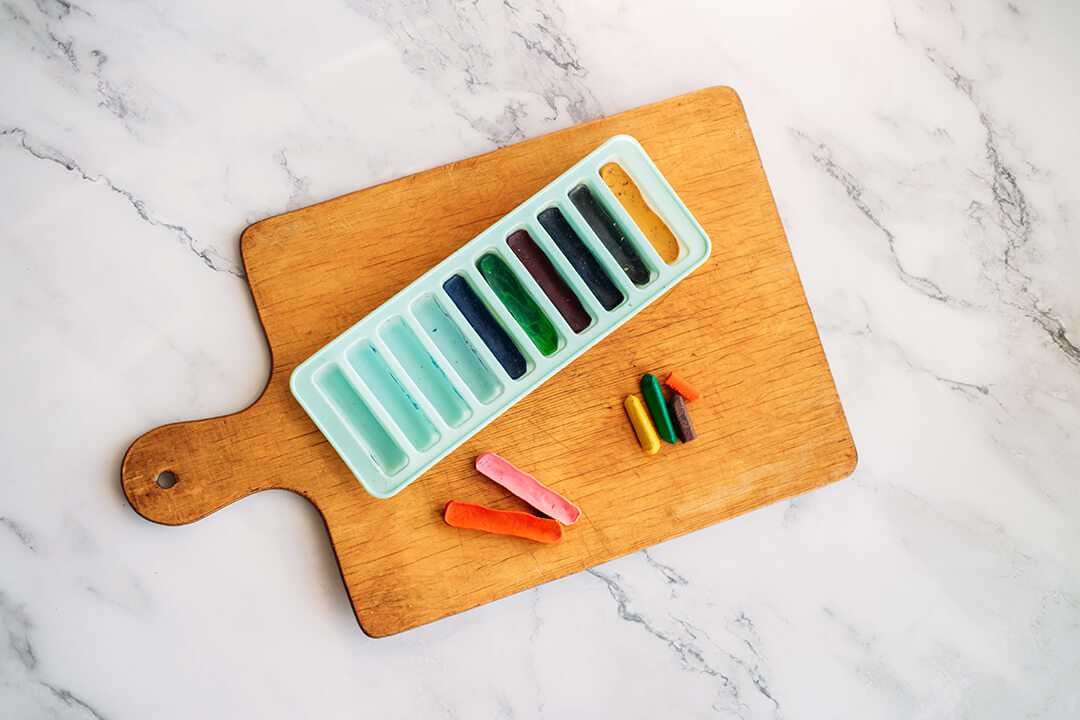
Make Earth Day crayons
Wherever there are young children there will be half-used crayons! There are so many tutorials on the internet teaching you how to recycle remaining stubs of crayons that are too small to draw with or that your kids discard after a few uses. But this particular idea of making them into the likeness of our planet from emmaowl.com is a meaningful way to teach the kids about reusing and recycling their own toys on this special day dedicated to the Earth.
Papermaking with your used paper
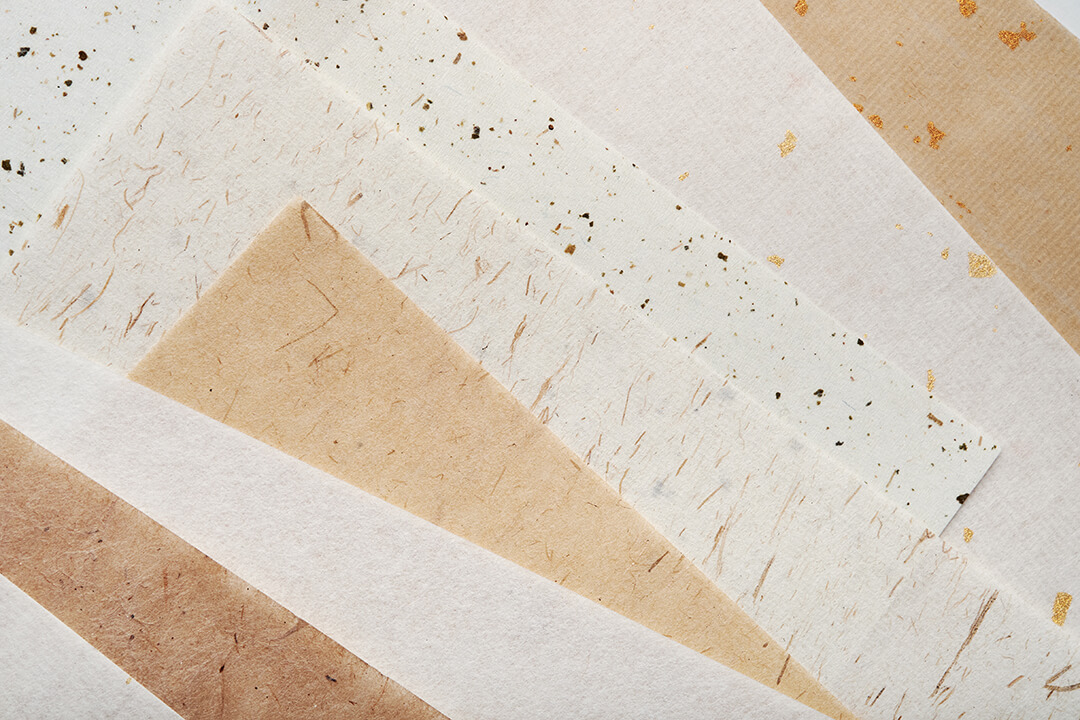
What more can we do with paper that has already been used on both sides or scraps of craft paper left over from some creative projects of the kids? Let’s make recycled paper turning these scraps into a pulp and teach the kids about the art of papermaking. It is a lot of work and a delicate process, but the result is the beautiful hand-made paper that the children can use again to make more artwork from it!
Above are just a few artsy ideas to remind ourselves and our kids about the finite resources we have on our planet on Earth Day. As a family and society, our daily actions are still the best way to make a positive impact on the environment and a constant reminder to ourselves about the importance of sustainability. For more Earth Day activities that are planned in your city this year, check out this global map on the website of https://www.earthday.org/earth-day-2023/. I am sure you will find a meaningful activity to join in your community no matter where you are. Let’s make a difference and contribute to a more sustainable future together.